









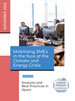




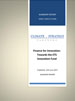
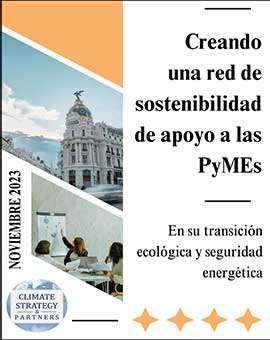
Redactado a lo largo de 2023, tomando como base nuestro informe de 2022 sobre las PyMEs, este informe propone la creación de una red para brindar apoyo local a las PYME a través del acceso a capacitación y herramientas para desarrollar planes de acción climática y financiamiento sólidos. También se describe el “PACTO: Activando PyMES x CLIMA y RESILIENCIA”, desarrollado por CS, lanzado para crear una red de sostenibilidad en España que conecte a los actores del sector público y privado.
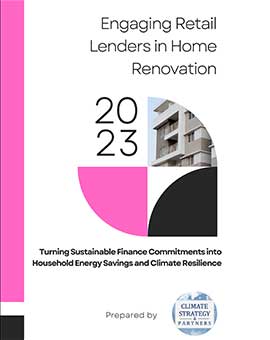
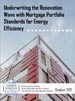
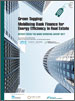
Redactado a lo largo de 2023, el informe toma como base años de trabajo promoviendo la eficiencia energética -Mortgage Portfolio Standards (MPS) y la EU Renovation Loan (ERL)-, y se centra en el rol de las instituciones financieras minoristas en la inversión en renovación de edificios en Europa.
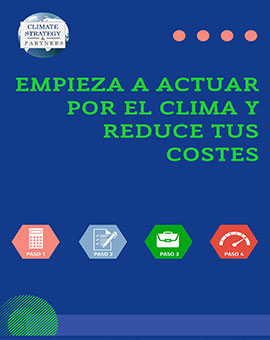
Cada vez más, las PYMEs tendrán que enfrentarse a presiones para reducir su huella de carbono y reportar su alineación con los objetivos climáticos de España y Europa. Preparar un Plan de Acción Climática con antelación servirá para reforzar su competitividad y abrir nuevas oportunidades de negocio.
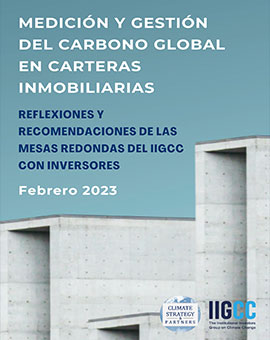
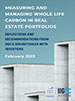
En un mundo donde el carbono incorporado carece de visibilidad, los inversores pueden tomar decisiones de inversión y de sostenibilidad que, sin saberlo, pueden estar dañando el medio ambiente. Esta es la razón por la que los principales miembros del Grupo de Trabajo sobre Bienes Raíces del IIGCC están tomando conciencia sobre el tema ya que "esperar y ver" ya no es una opción.
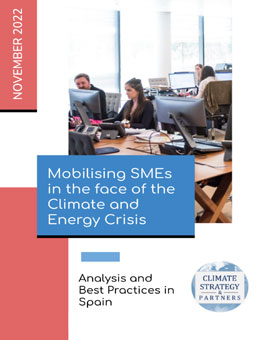
Las PyMEs españolas generan el 65% del empleo y representan el 99,8% del tejido empresarial español (un total de 2.926.484 empresas), por lo cual son esenciales para garantizar una transición verde, efectiva y justa.
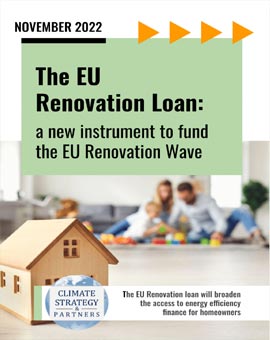
En la actualidad, los hogares europeos no pueden permitirse renovaciones energéticas, lo que significa que se enfrentan a facturas de luz muy caras y a condiciones de vida insalubres en el futuro.
El reciente Sexto Informe de Evaluación del Panel Intergubernamental sobre el Cambio Climático destaca la urgencia de reducir las emisiones de gases de efecto invernadero rápidamente y a gran escala para limitar el calentamiento global a 1,5ºC. Es innegable que el sector privado jugará un papel vital en los esfuerzos para cumplir esta misión.
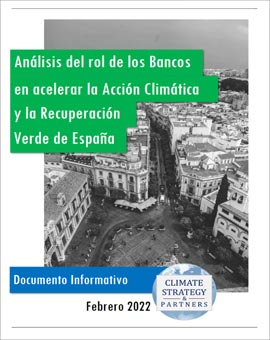
Las instituciones financieras juegan un rol clave en un mundo post Covid-19 enfocado en ‘reconstruir’ economías mediante una recuperación ‘verde’.

Experts assert that to meet its 2030 climate targets, Europe will need to invest upwards of €2.75 trillion to renovate 35 million buildings over the next decade. Considering limited public financing available, bank lending could play a key role in making European buildings warmer, healthier, and more sustainable for millions of people.

Six financial levers to accelerate the decarbonisation of the construction and operation of European buildings. This document details the urgent financial-policy measures which can decarbonise EU buildings in line with the Renovation Wave Strategy

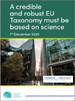
La taxonomía de la UE debe contener criterios técnicos de selección que garanticen que consigan garantizar que las inversiones sostenibles estén alineadas con el Acuerdo de París, y así descartar el greenwashing. Una taxonomía para las inversiones climáticas sólida y con credibilidad, debe estar basada en la ciencia y en los años que proporcionan la de evidencia técnica.

Reporte que resume el trabajo de cuatro años del EEFTG como una plataforma para convocar a responsables políticos, instituciones financieras y otros actores del sector para mejorar la comprensión de las diferencias técnicas y políticas existentes para ampliar los flujos financieros hacia las inversiones en eficiencia energética.

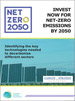
A finales de 2019, Climate Strategy trabajó con una serie de organizaciones como EG3, el instituto Jacques Delors, y Transport & Environment para redactar un grupo de documentos de 2 páginas (2x pagers) que identifican las tecnologías clave para descarbonizar los distintos sectores de la economía de la UE.

La UE planea inversiones históricas en su economía a través de un presupuesto de 1,85 mil millones de euros, donde alrededor de un tercio estará destinado a gastos para la acción climática. Por consiguiente, la taxonomía de la UE debe ser aplicada siempre para así identificar las inversiones ‘verdes’ dentro del presupuesto y el paquete de medidas para la recuperación a largo plazo de la UE.

Publicado en octubre de 2018, este reporte evalúa el rol y la necesidad de promover la investigación e innovación en aquellos sectores clave para decarbonizar de forma efectiva la economía europea. Tomando como base una encuesta de expertos, este reporte ofrece una serie de conclusiones para cumplir con objetivos de decarbonización ‘Net-Zero’ para el año 2050.

Editado en diciembre de 2017, este reporte presenta las conclusiones y recomendaciones de una encuesta sobre las practicas relacionadas al denominado ‘etiquetado verde’ de 10 de los principales bancos europeos. Además, este reporte describe la manera como estos bancos se encuentran desarrollando un enfoque sistemático acerca del ‘etiquetado verde’, prestando una atención particular a los préstamos hipotecarios comerciales y residenciales.

Publicado en Junio de 2017, este documento es un resumen de alto nivel de talleres de trabajo sectoriales organizados por la Comisión Europea con expertos provenientes de las industrias con un uso intensivo de la energía, y de los sectores energético y financiero. Además este documento ofrece recomendaciones sobre el diseño de elementos clave sobre el futuro Fondo de Innovación.

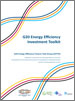
Publicado en mayo de 2017, el Kit de Herramientas del G20 para las Inversiones en Eficiencia Energética ofrece una nueva perspectiva sobre el desafío que presenta aumentar las inversiones en eficiencia energética, comparando y brindando una clara evaluación del desarrollo de políticas públicas, valorando bases de datos de políticas públicas, y explicando la manera en la que las instituciones de financiación tanto pública como privada están abordando este desafío.

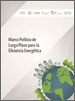
Publicado en febrero de 2017, este marco político tuvo un rol fundamental en identificar desafíos y oportunidades, así como líneas de acción relacionadas a la eficiencia energética que luego sirvieron de base para establecer instrumentos y herramientas de planificación mandatadas por la Ley de Transición Energética (LTE) de México.

Publicado en Febrero de 2016, este marco busca asistir a los inversores en el sector inmobiliario en identificar los impulsores clave y como superar aquellas barreras que impiden la integración de riesgos éticos, sociales y de gobernanza empresarial (ESG por sus siglas en inglés) y de aquellos riesgos relacionados al cambio climático dentro de sus procesos de toma de decisiones.

Publicado en Octubre de 2015, este reporte resume las actividades del EEFTG (por sus siglas en inglés) organizadas en función de temas puntuales que sirvieron como base para la elaboración de los principios voluntarios para las inversiones en eficiencia energética de los países participantes del G20, así como casos prácticos relevantes.
Publicado en febrero de 2015, este reporte –el segundo del Grupo de Instituciones Financieras de Eficiencia Energética (EEFIG por sus siglas en inglés) identifica los factores clave de éxito, políticas, instrumentos de mercado y soluciones financieras para incrementar inversiones en eficiencia energética en Europa en los sectores de edificios, industria y PyMEs.
Publicado en Diciembre de 2013: Este tercer trabajo del GTR procura profundizar los alcances de su Hoja de Ruta anterior por medio de esta nueva publicación y su plan a largo plazo, el cual asegura que la transformación del entorno edificado en España se convierta en una realidad económica.
Publicado en Noviembre 2012: Este informe –el segundo trabajo colaborativo del Grupo de Trabajo sobre Rehabilitación (GTR)- presenta dos mejoras significativas: El nuevo modelo económico del GTR 2012 introduce más de ochenta nuevos parámetros, y a su vez incorpora las pautas de la nueva Directiva de Eficiencia Energética del Parlamento Europeo.
Publicado en Octubre 2010, este reporte de Climate Strategy sobre la financiación de la eficiencia energética en edificios prevé una revisión a fondo de la política y la actividad en este sector en los EE.UU., Reino Unido y España.
Publicado en Noviembre de 2011, este informe - un trabajo de colaboración del Grupo de Trabajo sobre Rehabilitación (GTR) - proporciona los antecedentes, estructura, metodología, análisis y un plan de acción para España con el propósito de lanzar y apoyar un Nuevo Sector de la Vivienda el cual sea creador de empleo, ahorre energía y reduzca las emisiones de CO2.
Publicado en Febrero 2012: “Este reporte analiza las herramientas y las políticas existentes a nivel internacional para financiar proyectos de rehabilitación energética del sector residencial. También pretende examinar las posibilidades que hay para la adopción de políticas similares que puedan impulsar el sector de la rehabilitación energética del parque residencial español.”

Publicado en septiembre de 2011: “Este informe señala que para que los países puedan ofrecer niveles de actividad de renovación de eficiencia energética en los edificios existentes de acuerdo con los objetivos estratégicos, económicos y ambientales de Europa para el año 2020,los montos de los flujos de inversión requeridos son del orden de 0.5-0.8% del PIB, aproximadamente Euro100 millones en total en Europa, esto representa más del doble de las tasas actuales de inversion”.
Peter Sweatman es el Director General de Climate Strategy & Partners
Charlas, eventos públicos, talleres de expertos y presentaciones (2004-2023)
Lista de artículos de prensa y entrevistas publicadas durante 2004-2015
Nuestro equipo experto acumula más de 45 años de experiencia

Su experiencia en el sector financiero se expande 32 años, 20 de los cuales enfocados en la financiación de la lucha contra el cambio climático y la eficiencia energética. Asimismo, Peter cuenta con una vasta experiencia en los sectores energético, empresarial, climático y en las tecnologías bajas en carbono, habiendo ocupado altos cargos dentro de JPMorgan y Climate Change Capital.

Mauricio se unió al equipo de Climate Strategy en 2011. Desde entonces ha participado en el desarrollo y la ejecución de diversos proyectos relacionados a las políticas y prácticas corporativas para hacer frente al cambio climático.

Parte del equipo de Climate Strategy desde 2021, Adriana ha sido parte de proyectos enfocados en el estudio los marcos regulatorios e iniciativas para profundizar medidas de sostenibilidad en el sector privado y el sector financiero.

Alejandro se unió al equipo de Climate Strategy en 2022, y se enfoca en el análisis de la transición climática y las políticas de finanzas sostenibles a nivel de la Unión Europea y los Estados miembros.

Stephen tiene más de 10 años de experiencia trabajando en consultoría estratégica, principalmente en las empresas del FTSE 100; seguidos de 15 años trabajando para Diageo plc y Covidien gestionando proyectos de servicios compartidos.



